A Long Lineage
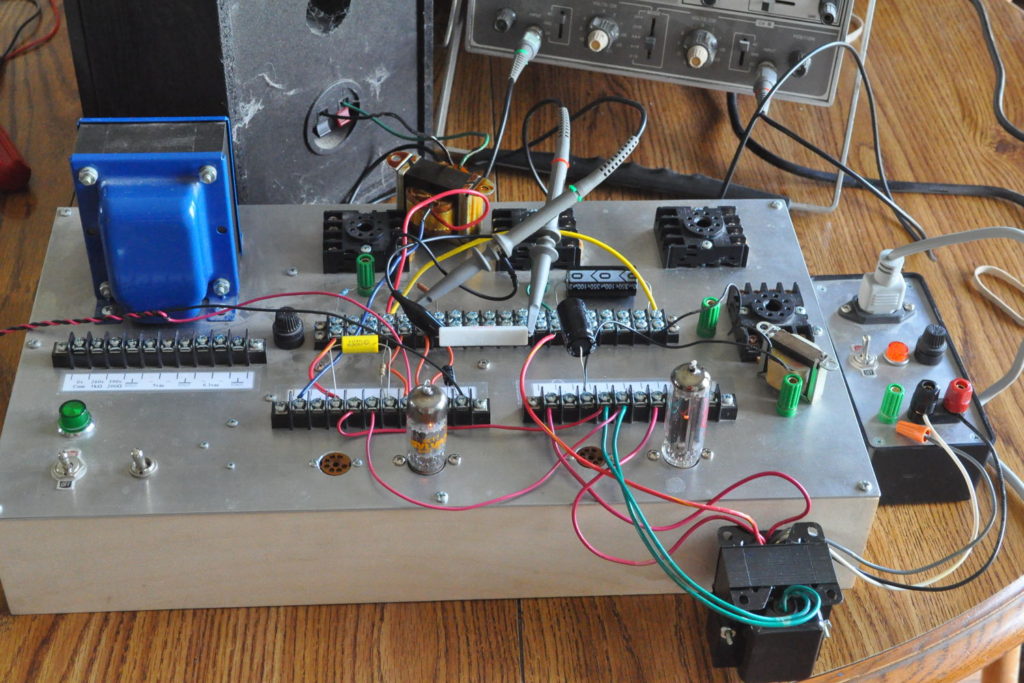
This amplifier has a long design evolution history. This first prototype iteration of this design first played music on April 17th, 2011. I designed it as an outgrowth of a tube forum discussion on “spud” amplifiers (i.e. single tube amplifiers). I had stumbled across this tube in the RCA Receiving Tube Manual RC-30 and it looked like a promising candidate for a low powered spud amplifier. Here is the first prototype complete, with power transformer and tube rectification.
Whereas I found the design acceptable and pleasant to which to listen, with several other projects in the works, the design got put to the side. It was, at this point, little more than an interesting diversion.
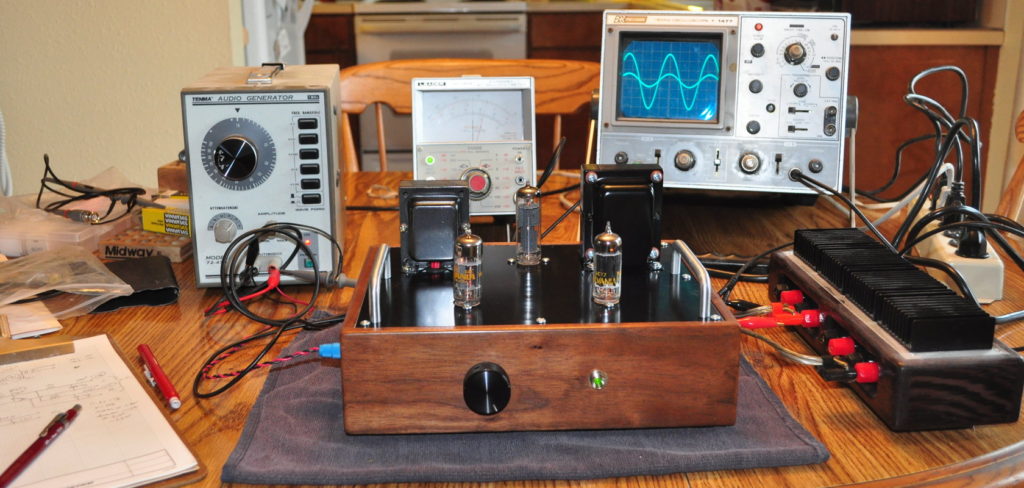
Fast forwarding to early 2015; I had a chassis and power transformer available from The Recovery Amp and I was looking for a project. It was then that I remembered that I had used the same power transformer for the 6CY7 prototype back in 2011. I quickly pulled the old 6CY7 design off the shelf and soon had a complete amplifier built and ready to test. This version of the amplifier first played music on May 24th, 2015. So it took almost four years for that original prototype to become a real amp, but it was a great success. Here is that amp back in 2015.
This amp became a regular performer in my office at home and a favorite of visitors to my web site. It is important to realize that I did not change my design markedly from the first 2011 prototype to the final amplifier in 2015. I changed the output transformers to the Edcor XSE10-5k and I added a little filtering to the power supply but that was it.
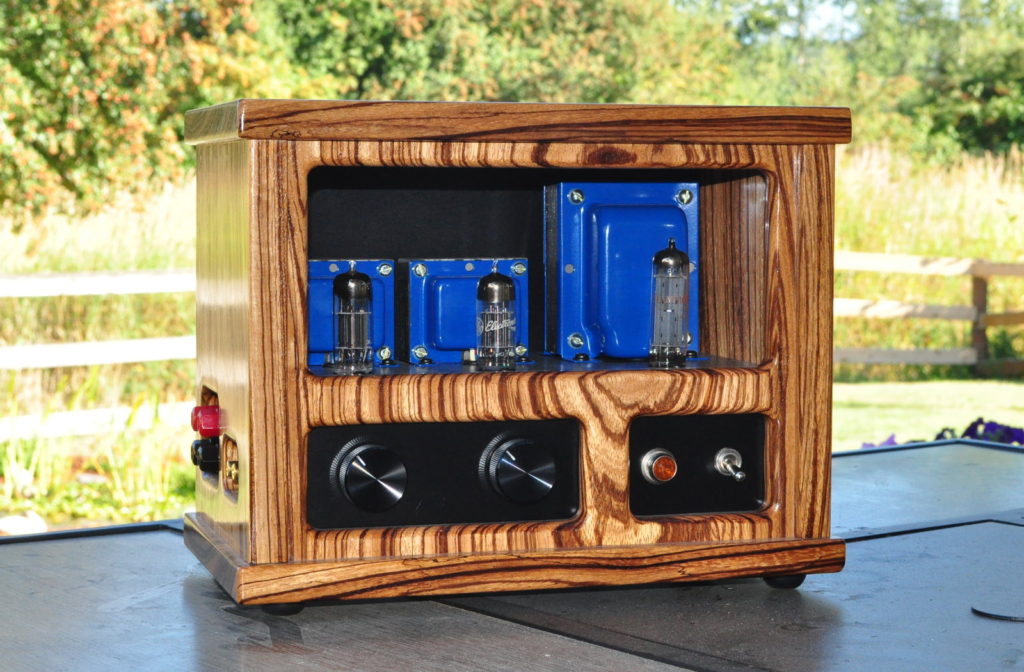
Over the next few years I received many questions and comments on the design. One recurring theme was the output transformers and if a different transformer would “improve” performance. After fielding a series of questions along these lines, I decided to revisit the design and see what could be done. The new design is based on the original with several improvements meant to help out the low end and the fullness of the amplifier’s sound. Here is the new version, the 6CY7 V2 “Zebrawood” playing its first music on August 16th, 2020.
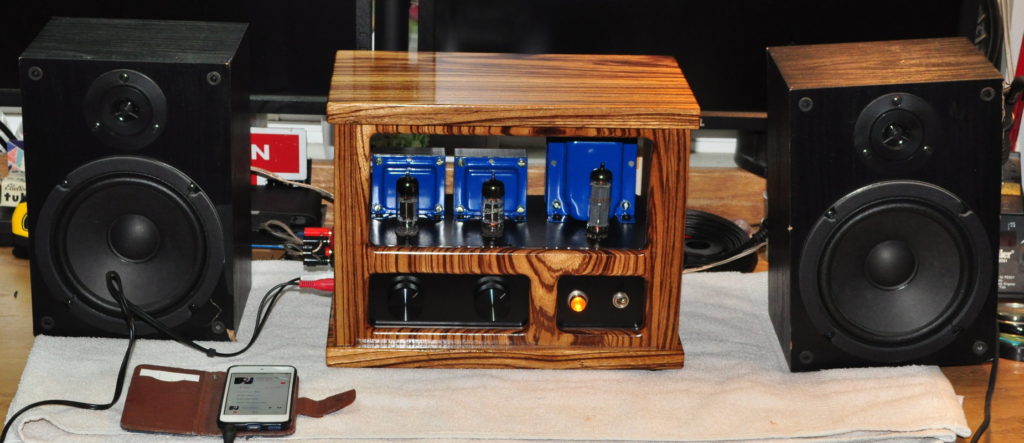
So it was a nine year journey from the first prototype to the final 6CY7 amplifier. It definetely took a while but, in my humble opinion, worth the wait. As I sit here typing, I am listening to Diana Krall performing “I Was Doing All Right” from the From This Moment On album. This amp really sounds excellent!
The Design
As I said, this was a redesign to address the low end response and fullness of the amplifier. The design is still based on the original load line designs I did back in 2011 and available on the 6CY7 page. Upon review, I decided that the basic bias points and design were appropriate for the new design, it just needed a little tweaking. Here is the modified schematic for the new amplifier.
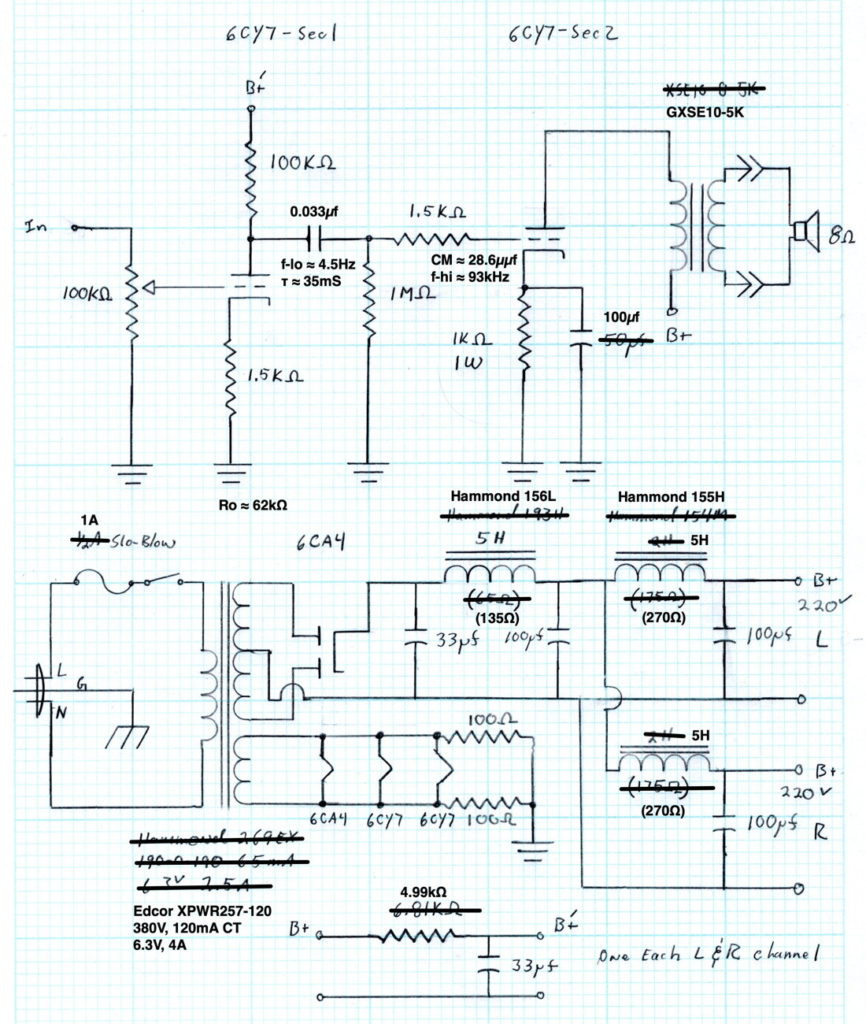
To better support the low end I have upgraded the output transformers from the Edcor XSE to the GXSE series. These transformers support better low end performance, rated down to 40Hz verses 70Hz for the XSE, without sacrificing any of the speed and detail in the design. In addition to the output transformer change, I have increased the cathode bypass on the power stage (to support better low end response) and increased the interstage coupling capacitance (also to support low end response). These changes support a better and fuller low end response without sacrificing the overall quality of the sound.
I have also changed up the power supply a little bit for better channel separation. And finally, I chose to use an Edcor power transformer for this build as it stays much cooler than the Hammond. I wanted this characteristic because the the chassis design places the transformers in a wood alcove and I didn’t want to thermally stress the wood any more than necessary. Additionally, the added filament winding capacity allowed me to use a jeweled indicator on the front of the amp (with an intensity limiting dial). Here is a picture showing the main plate all wired up and ready for installation in the chassis.
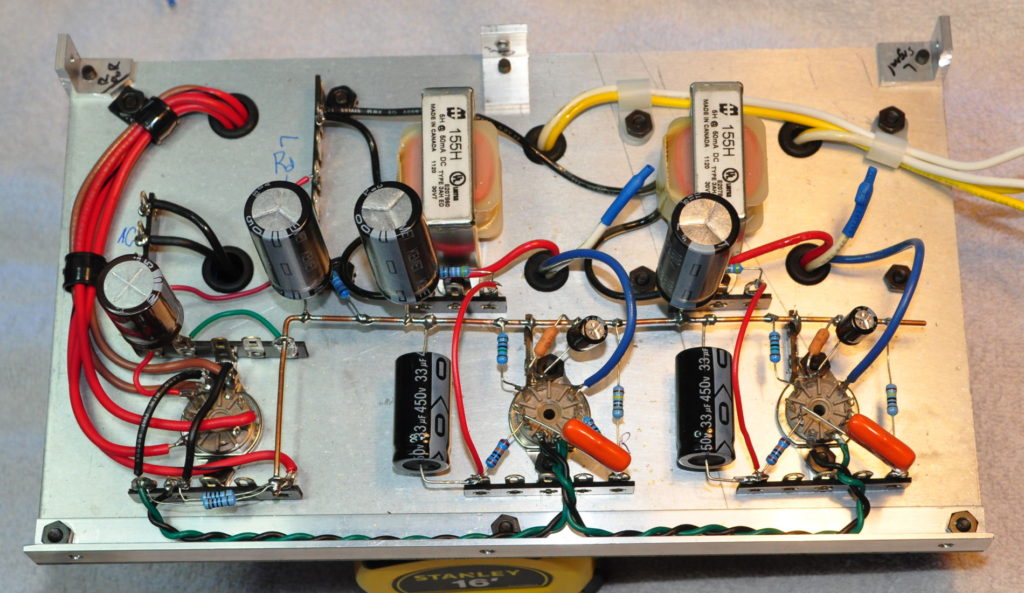
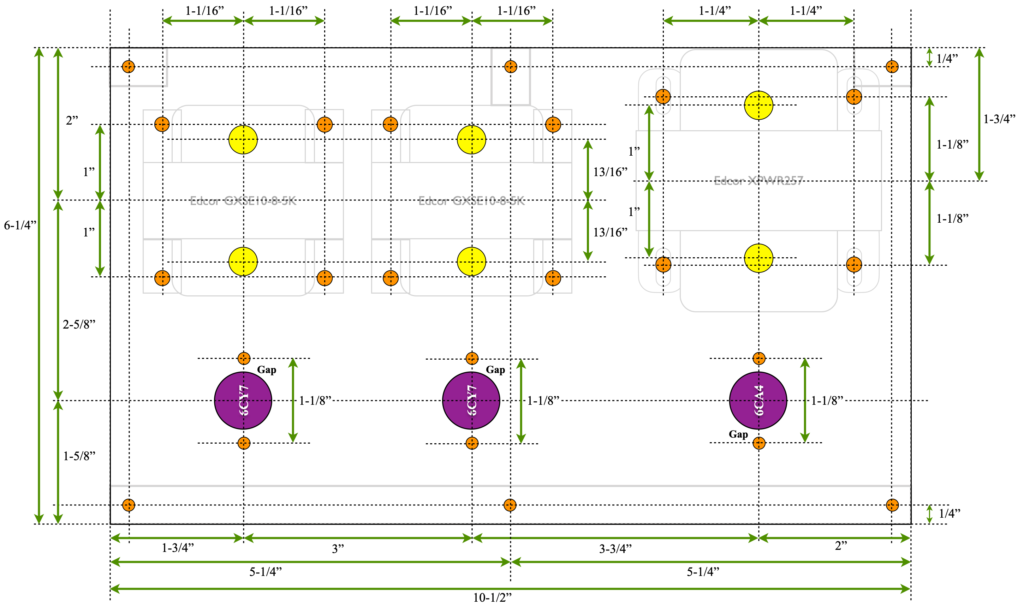
This is deceptively simple for a full stereo amplifier. The main power supply is to the left. The individual channel power filters are mounted above the ground buss underneath the output transformers. And the two signal stages are below the ground bus adjacent to the power filters. This aluminum plate is only 10 1/2 inches by 6 1/4 inches. Here is the measured drawing showing the layout.
The chassis for this amp is based on a “wrap around” design with a large window in the front to showoff the tubes and transformers.
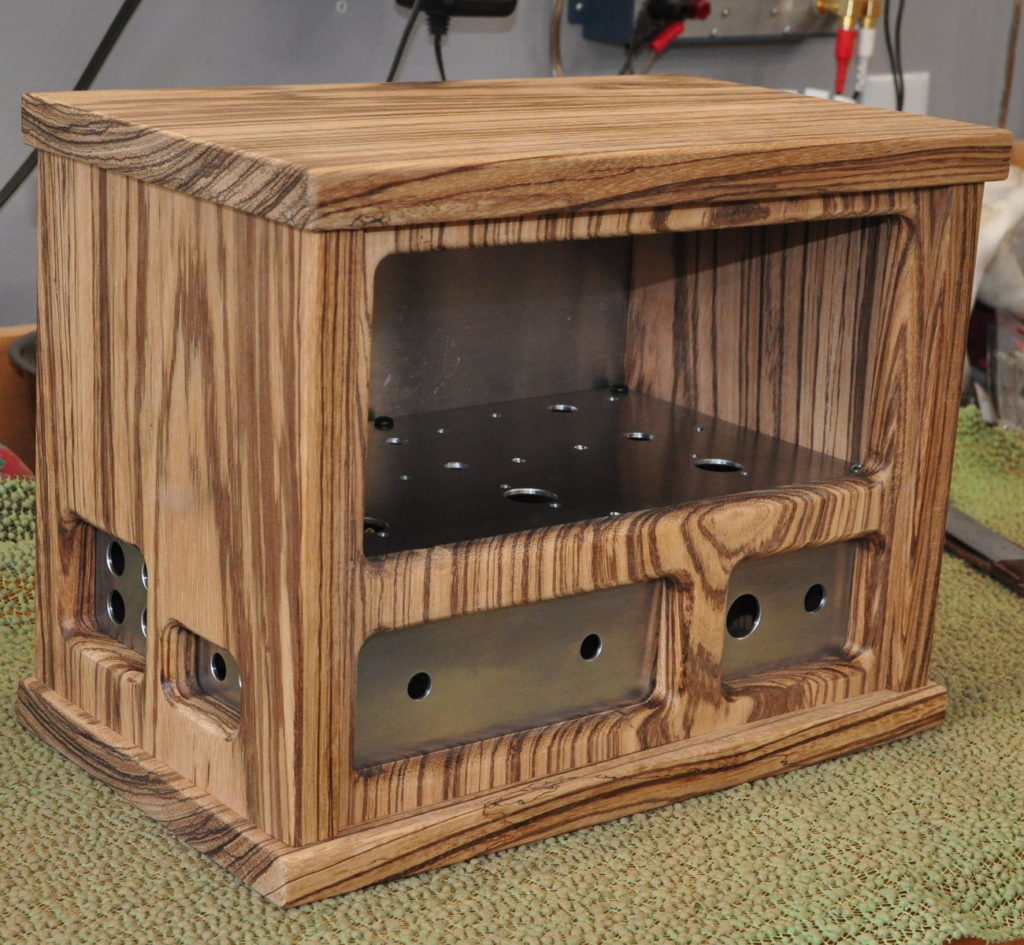
In addition to the usual layout features, I have included a new feature on this amplifier. One of the major problems with spud amps like this is mismatch in overall gain between channels. It is not always possible to get pairs of tubes that are well matched and this means the volumes can vary between channels. Because of this, I decided to add separate volume controls for the left and right channels. This ensures that I can always adjust for variations between tubes and for room acoustics as well.
Testing
As the goal was to “improve” the low end frequency response of the design, I decided to run this amplifier through what has become my “standard” set of testing. First off, peak output power for the amp was about 1.25W based on waveform observation on the oscilloscope. Distortion numbers at two power levels, high power and moderate listening, are shown below.
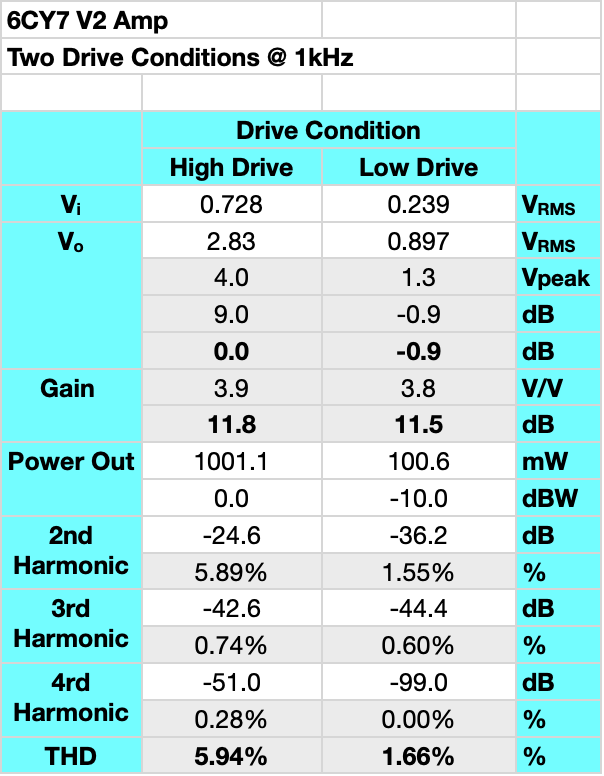
The distortion level is a little above the typical 5% target level at 1W but it is virtually all 2nd harmonic, as is the distortion at 100mW. I consider this good performance for an amplifier of this type.
The obvious question at this point is did I really improve the low end as desired. The band pass was definitely improved. First, here is the band pass of this amplifier.
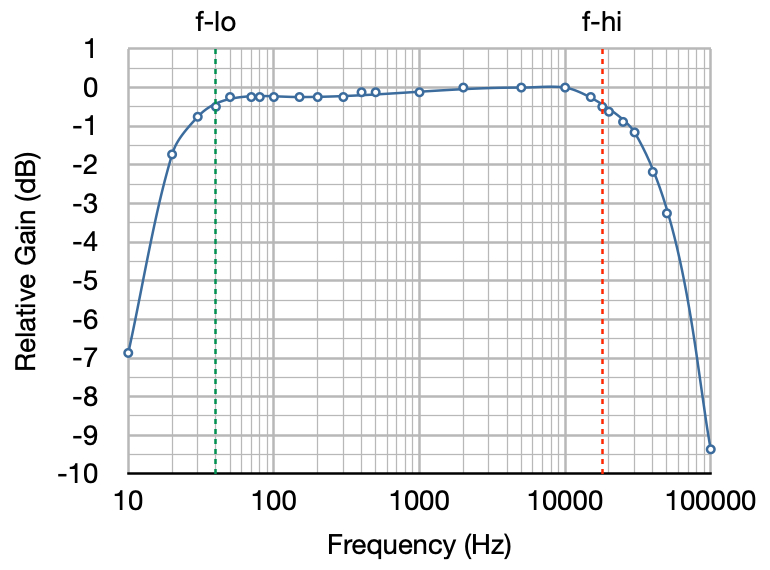
The amplifier is only off by 0.50 dB at 40Hz, 0.76 dB at 30Hz, and 1.76dB at 20Hz. This is not only good performance, but it is a significant improvement over the original design. Here is the same bandwidth plot with the frequency response of the 2015 amplifier overlaid for comparison.
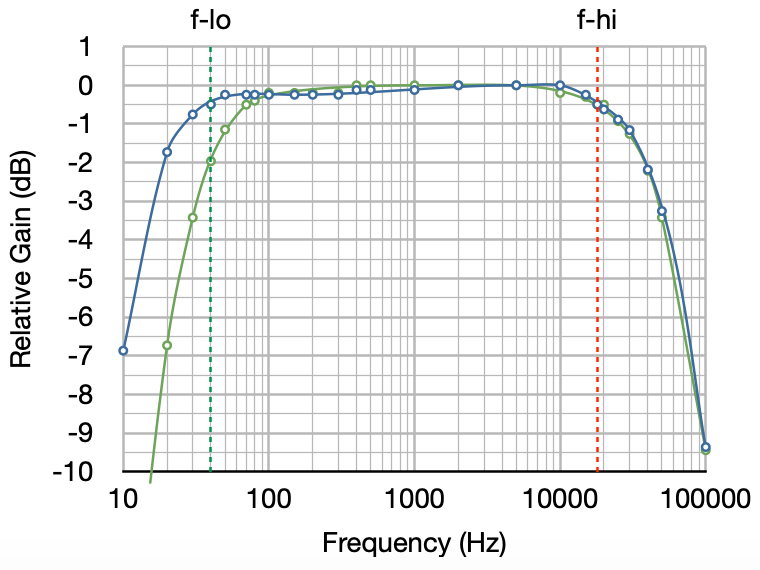
The high frequency response of the amplifier is almost identical. This rolloff is almost entirely due to the output transformers with both the XSE and GXSE being just about 1/2 dB down at 20kHz. The low end response is significantly better in the new design. The relative improvements over the 2015 design are 0.91dB @ 50Hz, 1.46dB @ 40Hz, 2.66dB @ 30Hz, and a full 5.0dB @ 20Hz.
When I A/B tested the amps, the improvement in the low end was very apparent. In addition to the frequency response, the distortion at the low end in the new design is also significantly reduced yielding an even cleaner sound.
Impressions
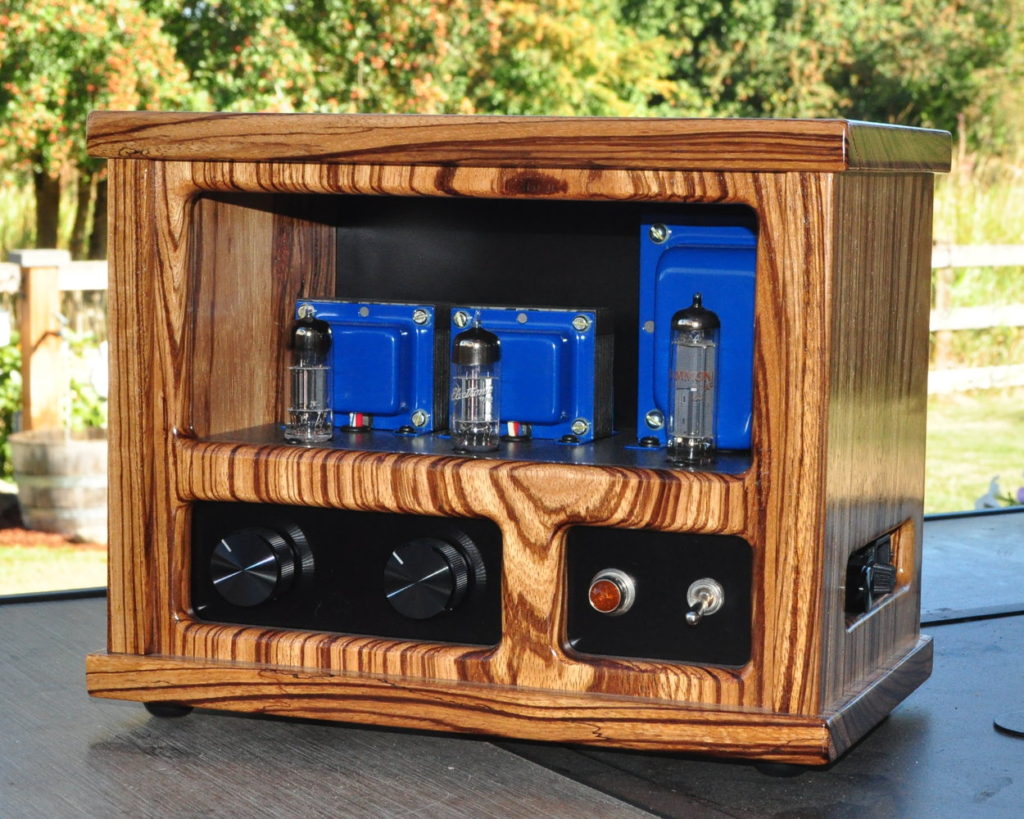
Like the first version, this new amplifier sounds excellent. The sound is fast, detailed, and very clear. And whereas the first amplifier had a low end response that was full and well controlled, the new amplifier takes that response to the next level with more muscle and fullness. This is a definite upgrade to the first version.
If you were thinking about building the 6CY7 amplifier you should build this version. This is one of the best spud amps I have ever heard. So let me know what you think of the V2 upgrade.